
Selling Your Home In Naples FL? What not to fix.
September 15, 2026
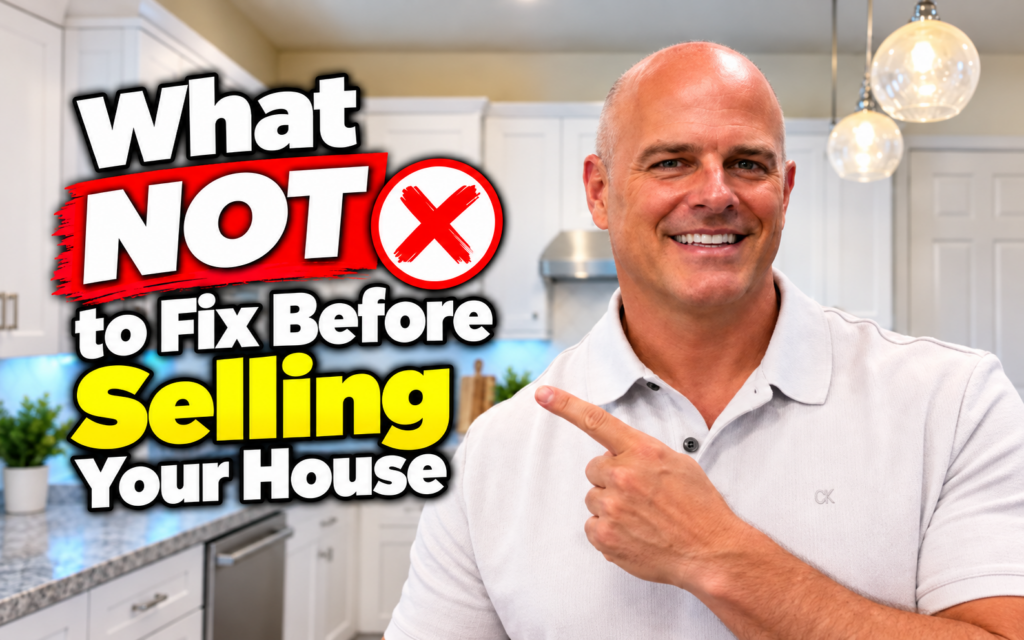
What NOT to Fix Before Selling Your Home in Naples, Florida
If you’re considering selling your home in Naples, Ave Maria, or anywhere in Southwest Florida, you may already be making a list of everything you believe needs to be repaired or replaced.
A new kitchen. New flooring. A new roof. Expensive landscaping.
Before spending thousands—or possibly tens of thousands—of dollars, it’s important to understand that some improvements may not increase your selling price enough to justify their cost. In some cases, you could spend money replacing something that the new owner would have changed anyway.
Every property is different, but here are five things you may not need to replace before selling your Southwest Florida home.
1. A Complete Kitchen Remodel
The kitchen is one of the most important rooms in a home, but that doesn’t automatically mean you should completely remodel it before selling.
A full kitchen renovation can become extremely expensive once you include cabinets, countertops, appliances, plumbing, electrical work and labor. You may create a beautiful kitchen without recovering everything you spent when the home sells.
There is also the question of personal taste. You might select white cabinets and quartz countertops, while a potential buyer may prefer natural wood cabinets and granite.
Instead of rebuilding the entire kitchen, consider smaller improvements that create a cleaner and more updated appearance. Depending on the condition of the room, you might:
- Paint worn cabinets
- Replace dated cabinet handles
- Install a modern faucet
- Improve the lighting
- Replace one visibly outdated appliance
- Repair damaged caulking or grout
Most importantly, clean the kitchen thoroughly. Countertops should be clear, appliances should be clean and the room should feel open and functional.
The goal is not necessarily to give buyers a brand-new kitchen. It is to show them a kitchen that has been cared for and can be used comfortably from the day they move in.
2. A Complete Bathroom Renovation
The same principle applies to bathrooms.
Unless a bathroom has serious damage, water intrusion, plumbing problems or something that makes it unusable, you may not need to tear everything out and start again.
Smaller, targeted improvements can make a noticeable difference without the expense of a complete renovation. Consider replacing an outdated faucet, changing the cabinet hardware, updating the mirror or light fixture, repairing damaged caulking and applying a fresh coat of neutral-colored paint.
If the shower or bathtub looks stained or worn, professional cleaning or refinishing may improve its appearance for considerably less than a complete replacement.
Buyers pay close attention to bathroom cleanliness. A spotless, bright bathroom with slightly older finishes may show better than an expensive renovation that doesn’t match a buyer’s personal preferences.
3. Automatically Replacing an Older Roof
This item requires special attention in Florida.
You should not automatically replace a roof simply because it is older. However, you should not ignore its age, condition or possible effect on the buyer’s homeowner’s insurance.
In Southwest Florida, a roof’s age and condition may affect insurability, wind-mitigation credits, financing options and the buyer’s overall monthly housing expenses. This means the correct decision depends on much more than how the roof looks from the street.
Before paying for a completely new roof, determine:
- The documented age of the existing roof
- Whether there are active or previous leaks
- Whether shingles, tiles or other roofing materials are damaged
- What a qualified roof inspection shows
- Whether the roof could create an insurance or financing concern for buyers
Depending on the findings, the best solution could be a repair, a credit to the buyer, an adjustment to the asking price or a complete replacement.
Before making this decision, speak with an experienced real estate professional, a licensed roofing contractor and, when necessary, a Florida insurance professional. Insurance eligibility and underwriting decisions vary among carriers and properties.
4. Replacing All the Flooring
Should you replace your carpet before selling? This is one of the questions homeowners frequently ask.
Worn or damaged flooring can hurt a home’s presentation, but replacing every floor in the house isn’t always necessary. Begin by having the existing flooring professionally cleaned.
Carpet can sometimes look dramatically better following a deep cleaning. Loose or wrinkled carpet may also benefit from professional stretching rather than complete replacement.
There are situations in which replacement may be worthwhile, particularly when carpeting is badly stained, has strong odors or is significantly damaged. However, installing inexpensive flooring solely to say that it is new may not produce the return you expect.
If you decide to replace the flooring, try to avoid installing several different styles throughout connected rooms. A consistent visual flow can make the home feel larger, cleaner and more organized.
Before selecting colors or materials, consider how the new flooring will coordinate with the rest of the home—and whether a buyer credit might be a better option.
5. Expensive Landscaping
Curb appeal is important, but you don’t need to redesign the entire property before selling.
Avoid spending heavily on mature trees, elaborate landscape designs or features that require substantial maintenance. Potential buyers may not value these improvements in the same way you do.
Instead, concentrate on making the existing landscaping appear healthy, clean and controlled. Focus on practical improvements such as:
- Trimming overgrown bushes away from the home
- Removing dead plants
- Cutting the grass
- Edging the walkways
- Pressure-washing dirty surfaces
- Adding fresh mulch where needed
- Placing a few colorful plants near the entrance
These relatively simple improvements can create a warm and welcoming appearance without overwhelming your property—or your budget.
Repair Problems, but Be Careful About Over-Improving
This advice does not mean sellers should ignore legitimate problems.
Active roof leaks, plumbing failures, unsafe electrical conditions, mold, wood rot and other material defects require careful attention. Sellers must also comply with applicable Florida disclosure requirements.
The important distinction is between correcting a genuine problem and completing an expensive cosmetic renovation that may not generate a sufficient return.
Before spending money, consider:
- Is the condition likely to discourage buyers?
- Could it create an inspection, insurance or financing issue?
- How much will the improvement cost?
- How much could it realistically add to the selling price?
- Would buyers prefer to select their own materials and finishes?
The best answer will depend on your home, neighborhood, likely buyer and current competition.
Get Advice Before Beginning the Work
Preparing a home for sale does not necessarily mean replacing everything that looks dated. In many cases, cleaning, decluttering, repairing and presenting the home properly can be more valuable than undertaking a major renovation.
If you’re considering selling a home in Naples, Ave Maria or anywhere in Southwest Florida, contact me before beginning the work. I can help you identify which improvements could strengthen your home’s marketability—and which projects may not be worth the expense.
Gerard Mastrapasqua
Realty ONE Group MVP
Naples FL Home Guide
This article provides general real estate information and is not a substitute for advice from licensed roofing, insurance, legal, tax or construction professionals.